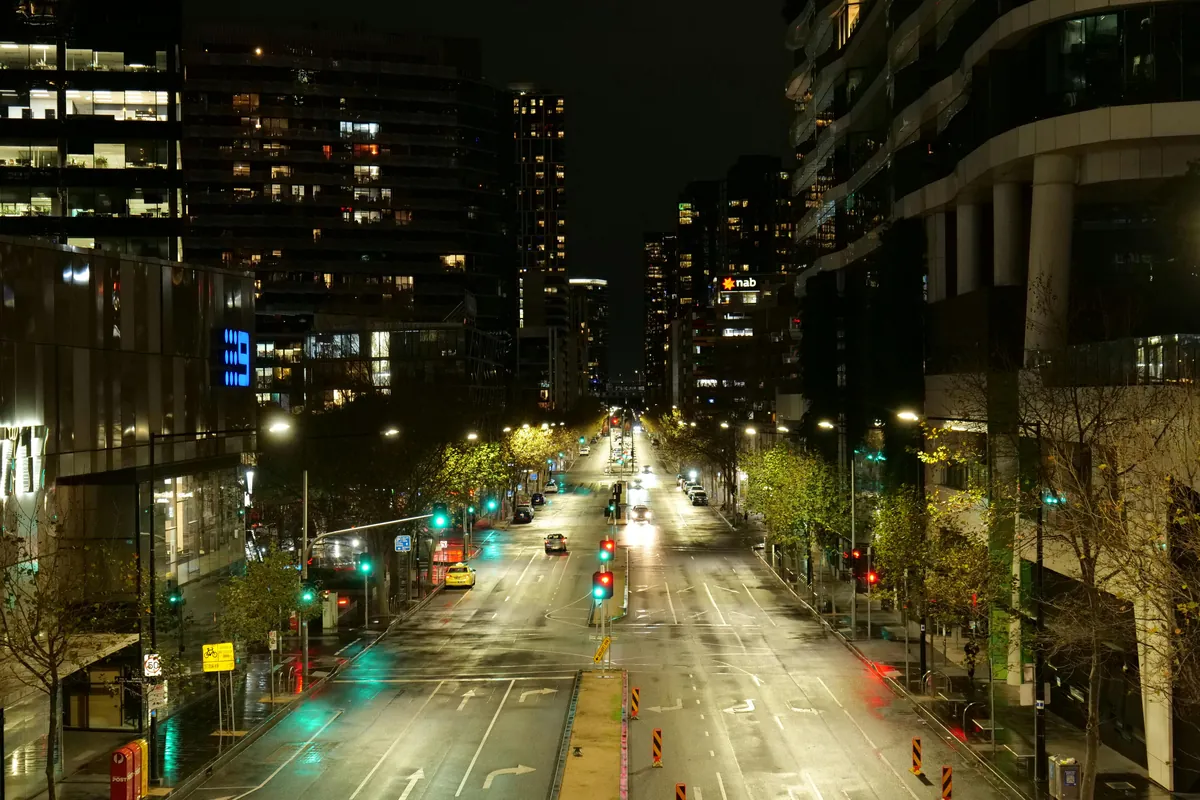
When most people hear “ambulance,” they think of emergency services responding calmly and efficiently. But in Mexico City, the term “midnight family” takes on a whole different meaning. Here, buzzing through the chaotic streets at night, a handful of private ambulance crews engage in a high-stakes race to save lives—and secure their livelihoods.
This unique blend of urgent medical care and street-level competition has transformed ambulance driving into a gripping, adrenaline-fueled sport. The midnight family navigates narrow lanes, unruly traffic, and fierce rivalries, painting a vivid picture of human resilience and grit. It’s a world where speed means everything, and every second could be a matter of life or death.
In this article, we’ll dive into what makes the midnight family phenomenon so compelling, exploring its significance from a sports perspective as well as the human stories behind the wheel. Whether you’re a sports fan or simply intrigued by unconventional competitions, the midnight family is a fascinating spectacle worth knowing.
The Birth of the Midnight Family: Origins and Reality
From Emergency Service to Street Sport
Mexico City’s official ambulance services face overwhelming demand and limited resources. This has given rise to a parallel system of private ambulance operators who work through the night, responding to emergencies in real-time. Dubbed the “midnight family,” these crews are more than just providers—they function as a tight-knit group driven by survival and speed.
While their job is inherently critical and humanitarian, the midnight family’s work happens against a backdrop of rivalry. Each crew competes fiercely to reach patients first, almost like a motorsport event winding through the urban jungle. This competition injects the profession with an intense energy rarely seen in typical emergency response scenarios.
The Human Side of the Midnight Family
Behind every ambulance siren is a story of determination. Drivers and paramedics often come from humble backgrounds, running these family-operated services to make ends meet. The stakes are high—not just in terms of saving lives, but also financially, as faster arrivals earn better pay and repeat clients.
This dynamic has created a form of street-level sportsmanship where drivers hone extraordinary skills, mastering sharp turns and daring maneuvers in heavy traffic. The fatigue, risk, and urgency they face make their night runs a remarkable test of endurance and nerve.
Why Midnight Family Is a Sport Worth Watching
The Thrill of Urban Racing
Unlike traditional motorsports held on closed circuits, the midnight family races unfold in Mexico City’s unpredictable real-world environment. Drivers dart through traffic, squeeze between cars, and hurtle down narrow streets, often under the cover of darkness. The stakes are high—too slow means losing the patient and income, while recklessness can lead to accidents.
For fans of speed and daring feats, this raw, unscripted urban racing offers an adrenaline rush that rivals professional events. The midnight family crews become local heroes by mastering their vehicles under extreme pressure, showcasing a unique kind of athleticism.
Skill Meets Strategy in Every Run
Driving an ambulance in this environment is more than just flooring the accelerator. Drivers must anticipate traffic patterns, coordinate swiftly with dispatch, and sometimes negotiate informal turf boundaries with competing teams. Their battles on the street are tactical, requiring split-second decisions and perfect timing.
These nuances make it more than just a race—it’s a delicate balance of speed, skill, and street smarts. The ability to outmaneuver rivals while ensuring passenger safety brings out the competitive spirit akin to well-known sports.
The Broader Impact: Public Perception and Awareness
Shedding Light on an Overlooked Challenge
The midnight family sheds light on gaps within Mexico City’s public health infrastructure. By framing their work as a sort of unofficial sport, the public gains a window into the urgent challenges faced by emergency services. It also brings attention to the resilience of communities that must rely on these private services.
The spectacle of ambulances racing through congested streets at night evokes empathy and fascination simultaneously. This duality transforms the midnight family from mere emergency responders to cultural icons embodying grit and hope.
Potential for Change and Innovation
Interest in the midnight family phenomenon has spurred discussions around improving ambulance services and traffic management. Some advocates hope that lessons from these daring drivers’ tactics might inspire safer, more efficient emergency responses city-wide.
Moreover, the midnight family’s high visibility encourages conversations about driver safety, passenger care, and the need for better infrastructure to support emergency responders. Their story is a catalyst for positive change, even if the “sport” itself remains unconventional.
Midnight Family in Media and Popular Culture
Documentaries and Storytelling
The gripping reality of the midnight family has caught attention beyond Mexico. Documentaries and short films have captured their nightly hustle, showcasing the human drama wrapped inside life-or-death urgency. These works offer a rare glimpse into a world most outsiders never see—one where competition intersects with compassion.
Through cinematic storytelling, the midnight family gains international recognition as a symbol of perseverance, forging an emotional connection with viewers around the globe.
Inspiration for Sports Enthusiasts and Beyond
Sports fans appreciate the midnight family for its raw energy and unpredictability. The “races” demand the reflexes, strategy, and endurance valued in classic competitive sports. For urban adventurers and motorsport fans, this is a fascinating underground sport to follow.
The midnight family also inspires broader audiences by highlighting how ordinary people turn adversity into opportunity. Their story encourages us to rethink what defines sport and challenges us to find competitive spirit in unexpected places.
Conclusion: Beyond the Sirens and Speed
The midnight family is more than a group of emergency crews—it’s a vivid example of life’s competitive edge under extreme circumstances. Their nightly races blend urgency, skill, and fierce determination. Viewed through the lens of sports, they illuminate new forms of competition born from necessity.
Understanding this phenomenon means appreciating the complex realities many cities face in delivering emergency care. It also invites us to celebrate those who risk everything to save others, turning the streets of Mexico City into a theater of resilience and hope.
FAQ
What exactly is the “midnight family”?
The midnight family refers to privately operated ambulance crews in Mexico City who work overnight, competing to respond quickly to emergencies. Their fast, often aggressive driving through city streets has earned them a reputation as participants in a distinctive urban racing “sport.” Sky Sports
Is the midnight family an official organization?
No, the midnight family is not an official emergency service. It is a loosely connected group of private ambulance teams, often family-owned, working independently to provide urgent medical transport.
Why is the midnight family considered a sport?
Because these ambulance crews compete against each other to reach emergencies first, their races through traffic resemble high-stakes urban motorsports, demanding both driving skill and strategic planning under pressure.
Are there safety concerns related to the midnight family’s racing?
Yes, the urgency to be first can lead to dangerous driving conditions. However, many drivers are highly skilled and prioritize patient care while balancing speed and safety, though risks remain inherent.
How has the midnight family influenced emergency response in Mexico City?
The visibility of the midnight family has spurred discussions about improving public ambulance services and infrastructure. It highlights gaps in emergency care while inspiring potential innovations influenced by their tactics and challenges.